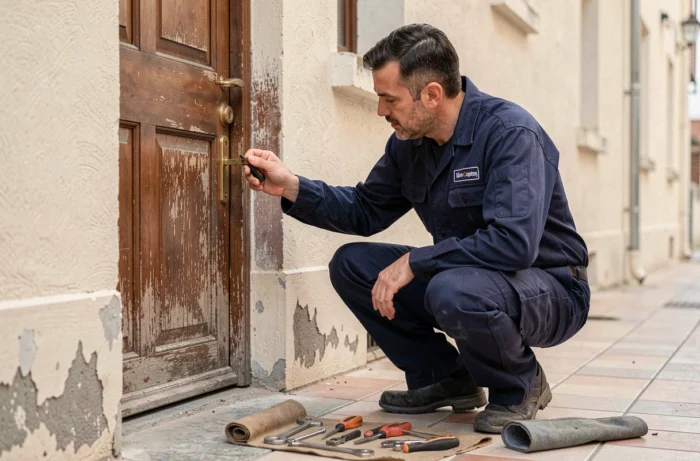
The price of a locksmith is broken down into three components: travel, labor, and materials. Confusing these items or accepting a total amount without details exposes one to an inflated bill. Understanding the pricing mechanics before calling helps filter quotes and spot anomalies from the very first phone call.
Infraction Rates in Locksmithing: What Official Inspections Reveal
Locksmithing is not a profession regulated by a mandatory diploma. Anyone can declare themselves a locksmith, buy a set of tools, and list an ad online. This regulatory gap partly explains the extent of pricing abuses.
Inspections by the fraud prevention agency (DGCCRF) regarding home repairs provide a concrete measure of the problem. Out of 548 professionals inspected, 350 were in violation, which is 64%. The following year, over 60% of anomalies were confirmed in an even larger sample. Locksmithing is explicitly cited as the most complaint-generating activity in this sector, ahead of plumbing and electricity.
Authorities receive more than 10,000 reports per year related to home repairs across all activities. A tool like Tarif Serrurier allows one to compare a received quote against common ranges before approving an intervention.
These figures do not mean that the majority of craftsmen are dishonest. They indicate that the probability of encountering a non-compliant operator is statistically high, and that checking a price before opening the door remains a rational precaution.

Travel, Labor, Materials: Decoding the Three Lines of the Locksmith Quote
A serious locksmith quote always separates these three components. If the received document shows a single amount without breakdown, it’s a first warning sign.
Travel
This item covers the round trip of the professional. It varies depending on the distance and geographical area. In densely populated areas, it remains moderate. In rural or suburban areas, it can represent a significant part of the bill.
Labor
Labor generally constitutes the main item of a typical intervention. It is often expressed as a flat rate per type of service (opening a jammed door, replacing a cylinder, installing reinforcement) rather than an hourly rate. A skilled craftsman can open a simple door in a few minutes, while another may take much longer. The flat rate compensates for expertise, not duration.
Materials
These are the installed parts: cylinder, lock, bolt, anti-burglary corner. The quote must mention the brand, reference, and for security elements, the A2P certification level. A cylinder described as “brand name” without a specific reference prevents any price verification with the manufacturer.
Legitimate Markups and Abusive Markups: Where’s the Line?
Not all markups are scams. Some correspond to real constraints, while others exploit the client’s emergency situation.
- Night, weekend, or holiday interventions logically incur a markup: the professional is using time outside their normal hours. This markup should appear as a separate line on the quote, not be buried in an opaque flat rate.
- Replacing a certified security cylinder costs more than an entry-level model. The price difference reflects the level of resistance to burglary, not a hidden margin, provided the reference is verifiable.
- A “rush fee” without a cap or hourly justification is suspicious. A locksmith charging a rush fee at 2 PM on a Tuesday has no legitimate basis for doing so.
The simple rule: each line of markup must correspond to an identifiable constraint (time, technical, logistical). If the professional cannot explain what a surcharge corresponds to, it should not appear on the quote.
Mandatory Quote and Right of Withdrawal: Legal Protections for Consumers
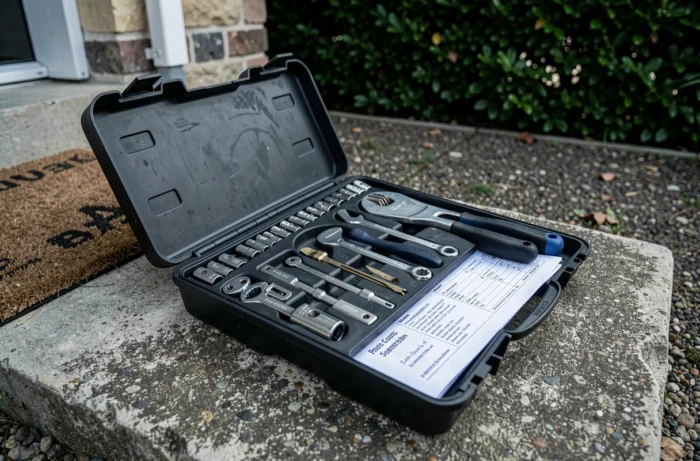
A locksmith working at home is required to provide a written quote before starting work. This quote must detail each item (travel, labor, materials), mention the references of the parts, and be signed by the client.
Door-to-door sales, including when the professional arrives after an emergency call, opens a right of withdrawal. The client has a period to reconsider their commitment. This point remains poorly known, even though it constitutes real protection against bills signed under pressure.
- Request the quote before any intervention, even in a jammed door situation. A serious professional accepts this step without resistance.
- Verify that the SIRET number appears on the document. Its absence signals an undeclared or fictitious operator.
- Photograph the signed quote and compare it to the final bill. Any discrepancy not justified by documented technical issues can be contested.
In case of dispute, the SignalConso system of the DGCCRF allows for online reporting. The national consumer information number is another accessible recourse.
Check a Locksmith’s Rate Before the Emergency
The best protection remains preparation. Identifying one or two trusted locksmiths near one’s home, outside of any stressful situation, radically changes the balance of power at the time of the call.
Comparing several quotes for the same service (cylinder replacement, simple opening) provides a reliable benchmark. A price difference greater than double between two quotes for the same intervention deserves a detailed explanation. Without a clear technical justification, the higher quote is likely inflated.
The locksmithing sector will not regulate itself. The DGCCRF confirms that infraction rates remain stable from year to year despite inspections. Consumer vigilance, quote in hand, remains the most effective filter against abusive practices.


