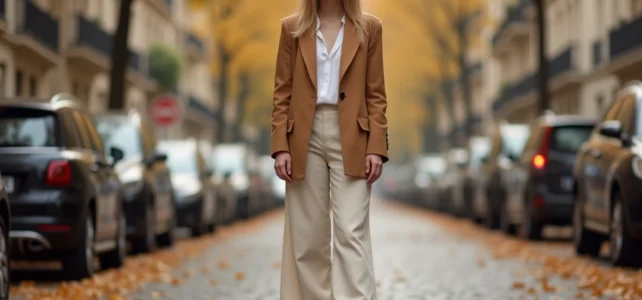
The spring-summer 2026 fashion shows have set clear directions, but the dominant reading of fashion trends remains superficial. This season, we observe a shift that goes beyond mere wardrobe renewal: European regulatory constraints are reshaping what brands can promise, and the silhouettes reflect a tension between structured volumes and radical minimalism.
Green Claims Directive and fashion trends: what regulation changes for your style
The European directive on environmental claims, effective since March 2024, prohibits vague formulations like “eco-friendly” or “carbon neutral” without verifiable evidence. For this season’s wardrobe, the consequence is direct: several brands have withdrawn or renamed their “conscious” lines.
This retreat from greenwashing alters the framework for reading so-called sustainable trends. Brands that still communicate about sustainability now do so through concrete criteria: certified materials, guaranteed number of washes, availability of spare parts (buttons, linings). We recommend checking these elements rather than relying on a self-proclaimed label.
This approach aligns with the rise of wardrobe longevity policies, a focus largely ignored by mainstream articles. Buying a trendy piece in 2026 also means assessing its actual lifespan. You can find fashion articles on The Living Web to delve deeper into these fundamental questions that structure the current wardrobe.
Architectured silhouettes: wide pants and fluid dresses in creative tension
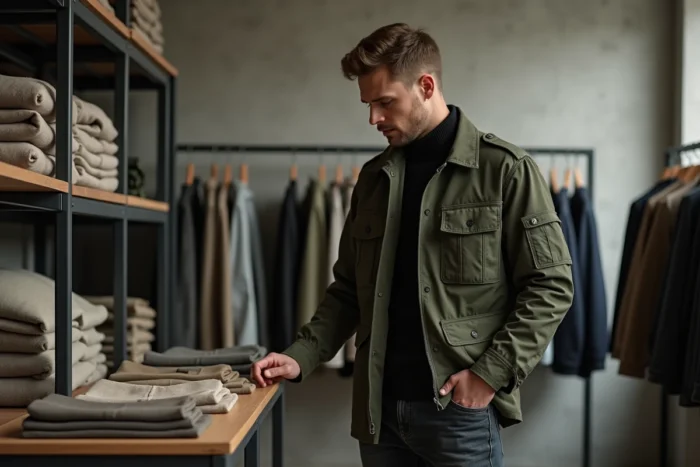
The structured wide pants dominate the offerings from fashion houses this season. Defined waist, ample fall, sharp line: this piece is not merely a fashion statement. It reflects a search for technical comfort without compromising on fit.
We distinguish it from the palazzo pants of previous seasons by one specific point: construction. The 2026 versions incorporate deep pleats and a stiffened waistband that maintains the structure even on fluid fabrics. The result changes the posture and overall drape of the outfit.
Long dress and poetcore
The long fluid dress, carried by the poetcore trend visible at Loewe, Miu Miu, or Saint Laurent, offers the exact counterpoint. Where the pants structure, the dress liberates movement. The combination of the two in the same wardrobe creates a stylistic amplitude that we consider the signature of this season.
The trap would be to treat these pieces as interchangeable. The wide pants call for a fitted or semi-fitted top to balance the proportions. The fluid dress works best with discreet accessories, minimalist shoes, and a small-sized bag.
Trendy colors and seasonal materials: balancing intensity and longevity
The 2026 palettes oscillate between two poles. On one side, saturated colors (orange, yellow, olive green, sky blue) featured in the spring-summer collections. On the other, textured neutrals (raw linen, beige, off-white) that align with the sustainability logic mentioned earlier.
The choice of color influences the perceived lifespan of the garment. A bright orange piece will date more quickly than a structured beige pant. To enhance your style without completely renewing your wardrobe each season, we recommend a simple ratio:
- Two to three strong color pieces per season, chosen in classic cuts to soften the fashion effect
- A base of neutral basics in dense materials (thick linen, twill cotton, lightweight merino wool) that last through several seasons
- One or two expressive accessories (brooch, textured belt, colorful bag) to update an outfit without replacing it
Preferred materials
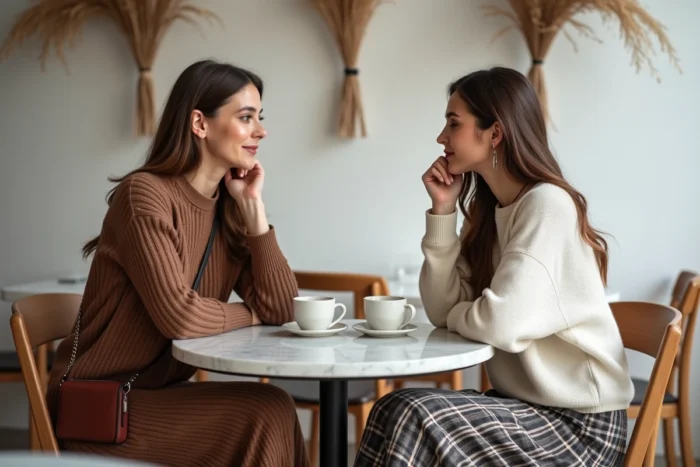
The materials of this season reflect the same tension. Linen and certified cotton are gaining ground over synthetics, driven by European regulatory pressure and a demand for repairability and transparency in compositions. Linen-cotton blends offer a good compromise between structure and thermal comfort for mid-season looks.
Coordinated sets and accessories: the stylistic codes defining fashion 2026
The coordinated set (pants and jacket or skirt and top in the same fabric) returns with a different intention than in past seasons. It is no longer a shortcut to style but a complete look proposal that simplifies wardrobe composition.
The technical interest of the coordinated set lies in reducing style friction. A single purchasing decision produces a coherent outfit. We observe that the 2026 collections interpret this principle in varied registers: linen coordinates for everyday wear, satin or crepe versions for special occasions.
Expressive accessories
Accessories take on a structuring role this season. Oversized brooches, metallic details, sculpted buckle belts: these elements are no longer decorative additions. They serve to anchor a look in the season without altering the main pieces.
- The brooch repositions a neutral blazer within the trend without changing the piece itself
- The thin belt on a fluid dress creates a visual tension point that redefines the silhouette
- The small-sized bag, in a contrasting color, replaces the total colored look while providing the chromatic intensity expected this season
This season’s fashion trends reward precise choices rather than accumulation. A wardrobe focused on well-constructed pieces and targeted accessories creates more stylistic impact than a complete renewal. The regulatory constraint on environmental claims pushes in the same direction: fewer vague promises, more traceable materials, and cuts designed to last.